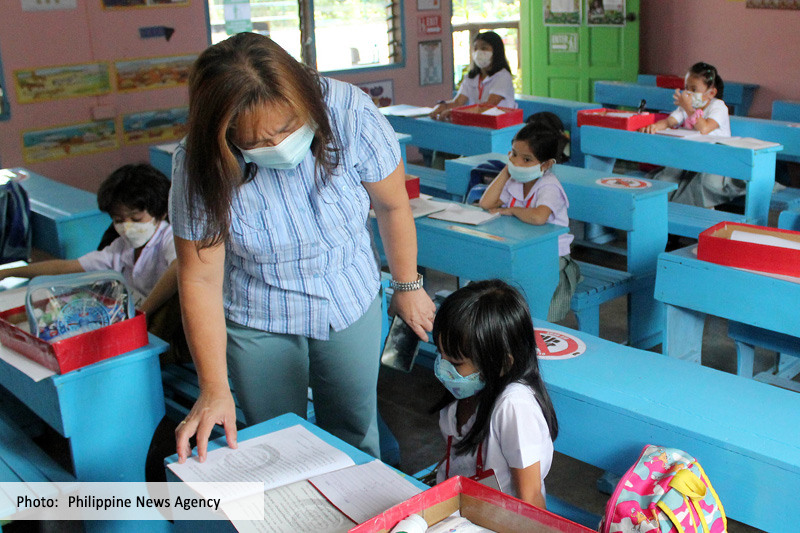
This quarter’s issue of the Development ²ÝÝ®ÊÓƵ News (DRN) focuses on the persistent challenges in the Philippine education system that affect learning outcomes, teacher conditions, and workforce readiness. The banner story highlights the country’s classroom shortage, noting that while declining fertility may ease demand, pressures remain due to aging facilities, longstanding infrastructure gaps, and uneven population growth across regions. Subsequent articles assess early learning gains under the MATATAG curriculum while highlighting gaps in support systems that continue to strain teachers. One study finds that reduced teaching time under the revised curriculum has not significantly lowered overall workload, as teachers reallocate time to lesson planning and related tasks. Other articles examine structural constraints facing the teaching profession, including financial and workload barriers to pursuing advanced education, persistent subject-area mismatches that undermine instructional quality, and implementation issues surrounding the teacher localization law. This DRN issue also discusses financing challenges in state universities and colleges, highlighting uneven resource distribution that threatens quality and inclusiveness. It concludes with an analysis of technical-vocational education, emphasizing its role in workforce development and the need to strengthen alignment between skills training and labor market demand.